
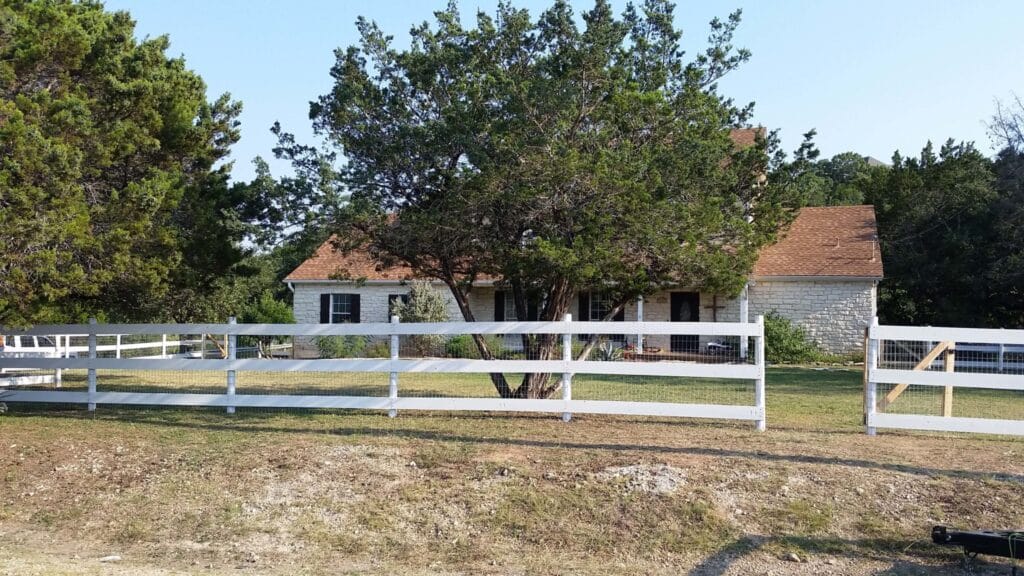
Whether you’re trying to preserve the wood in your wood privacy fence or improve the curb appeal of your metal fence, exterior paint is a quick way to improve the entire aesthetic of your property. However, not all paint is created equally; below we will cover the best types of paint to coat your wood and metal fences.
Understanding Fence Paint Basics
Thinking about painting your fence? Let’s break down what you need to know before diving in. We’ll cover why painting matters, the different finish options out there, how paint stacks up against stain, and which paints work best for specific fence materials.
Why Paint Matters
Painting your fence does more than give it a fresh look—it helps protect it from the elements. Rain, sun, and wind can do a number on a fence over time, but paint acts as a barrier that helps keep moisture out and sun damage at bay.
A good coat of paint also helps prevent rot, warping, and cracking, which can extend the life of your fence. Bonus: it boosts your home’s curb appeal and can even add a little value to your property. So, painting isn’t just about looks—it’s a smart long-term move.
Types of Paint Finishes
Not all paint finishes are created equal, and the one you pick can make a difference in both style and durability. Here’s a quick rundown:
- Matte: Low sheen, hides surface flaws well, but not the most durable.
- Satin: A touch of shine, holds up better to weather, and gives a smooth, clean look.
- Semi-gloss: More reflective and easier to clean—great for busy areas.
- Gloss: Super shiny and tough but tends to show every little imperfection.
If you want something easy to maintain with a bit of shine, satin or semi-gloss is usually a solid choice.
Paint vs. Stain
Still trying to decide between paint and stain? Here’s how they compare:
- Paint gives you more color options and offers a thicker layer of protection. It can cover up blemishes in the wood, but over time, it might peel if not maintained properly.
- Stain soaks into the wood instead of sitting on top. It brings out the natural grain and doesn’t peel like paint does. You’ll probably need to reapply it more often, but it’s easier to freshen up without stripping off the old layer.
It really comes down to what kind of look you’re going for and how much maintenance you’re willing to handle.
Best Paint Types for Different Fence Materials
Not all fences are built the same—and the paint you use should match the material you’re working with. Here’s a breakdown of the best paint types for wood, metal, vinyl, and composite fences so you get a clean finish that lasts.
Wood Fences

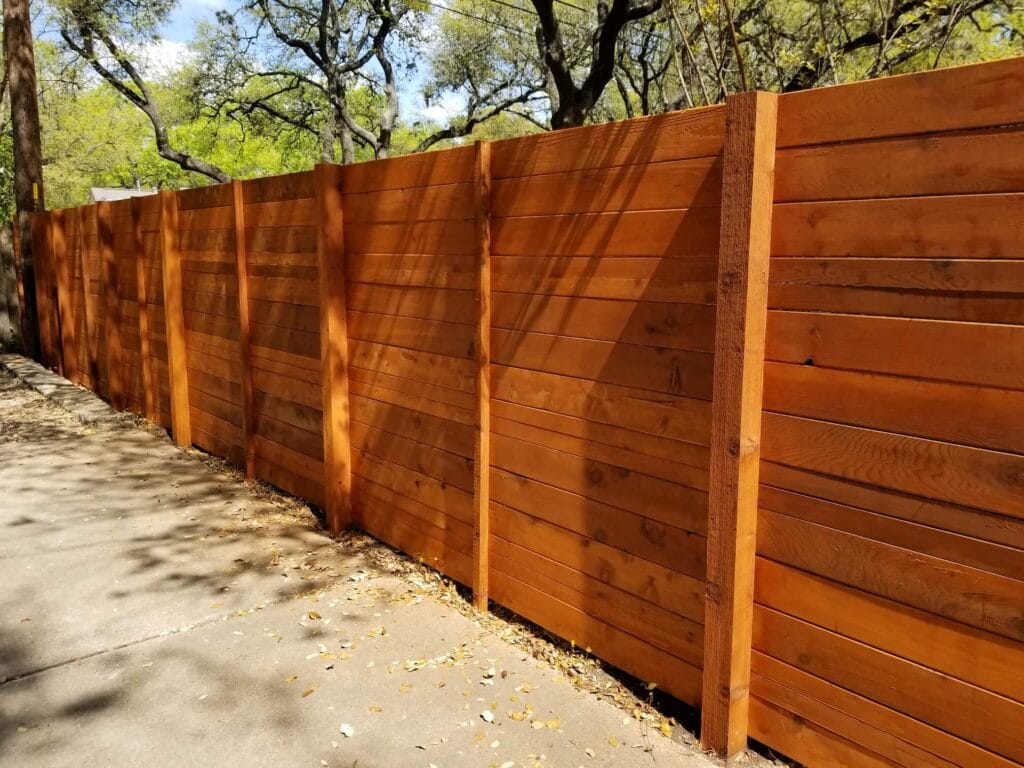
You can extend the life of your wood fence by staining or painting the wood to protect it from UV rays, moisture, and other natural elements. Both offer several colors to choose from. Here are our top tips for selecting paint or stain for a wood fence:
Choosing a Paint
No matter if your fence is new or old, the first step in any successful fence restoration project is picking a high-quality stain or paint. While both latex and oil-based paints are graded for exterior use, latex is used more frequently for wood fences. Unlike latex paint, oil-based paint can easily crack when faced with moisture, snow, and other weather elements. Latex paint, on the other hand, is more flexible and can expand and contract as the weather and temperature changes.
In fact, because latex paint is water-based, it boasts a slew of other qualities that make it perfect for an outdoor fencing project. Latex paint can be cleaned up with water, is non-flammable, and won’t turn yellow with age.
Metal Fences
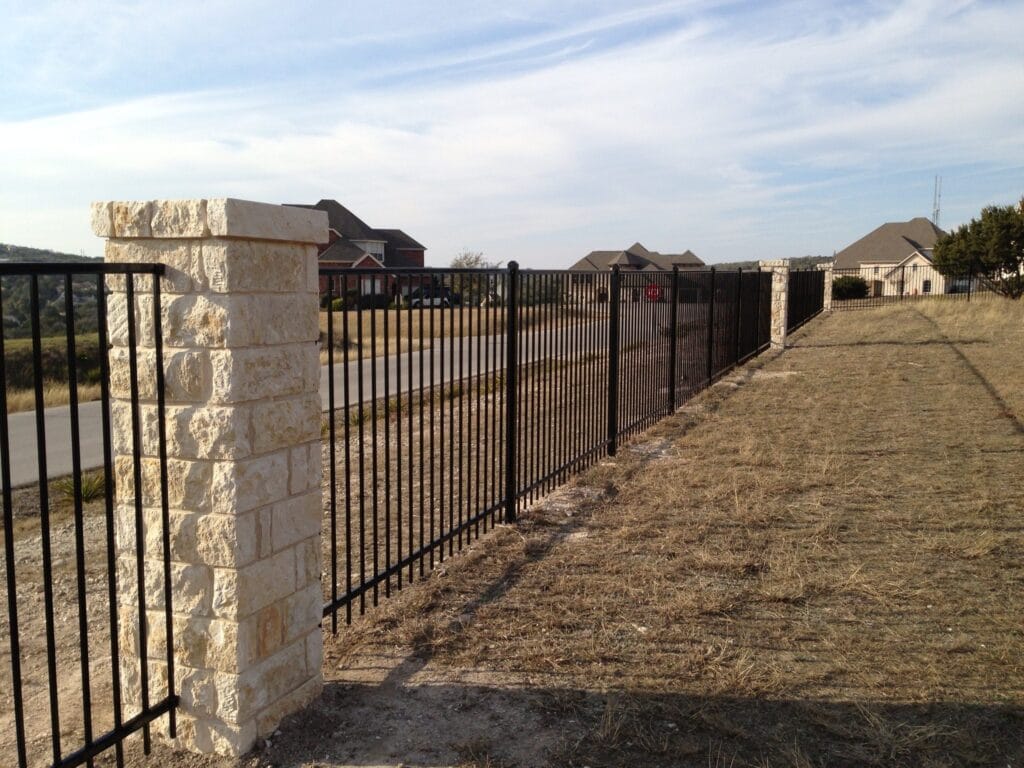
Painting your metal fence is the primary barrier between metal and rust formation. Additionally, many homeowners choose to paint their metal fences to soften their look and better match their home’s exteriors. Before you paint your metal fence, make sure all rust has been removed and you have a clean slate to apply the primer. Select your metal fence paint using the following pointers:
Choosing a Primer
Once your fence is free of rust and debris, a primer specified for metal surfaces will need to be applied. The metal primer will create a smooth surface for the exterior paint to stick to, while smoothing out any nicks or inconsistencies in the metal.
Choosing a Paint
The type of paint base you use to paint your metal fence isn’t as important as the “for metal” specification the paint carries. You can either use acrylic-based paint or oil-based paint, but many people prefer acrylic paint because of the cons we mentioned for oil-based paint above.
Vinyl Fences
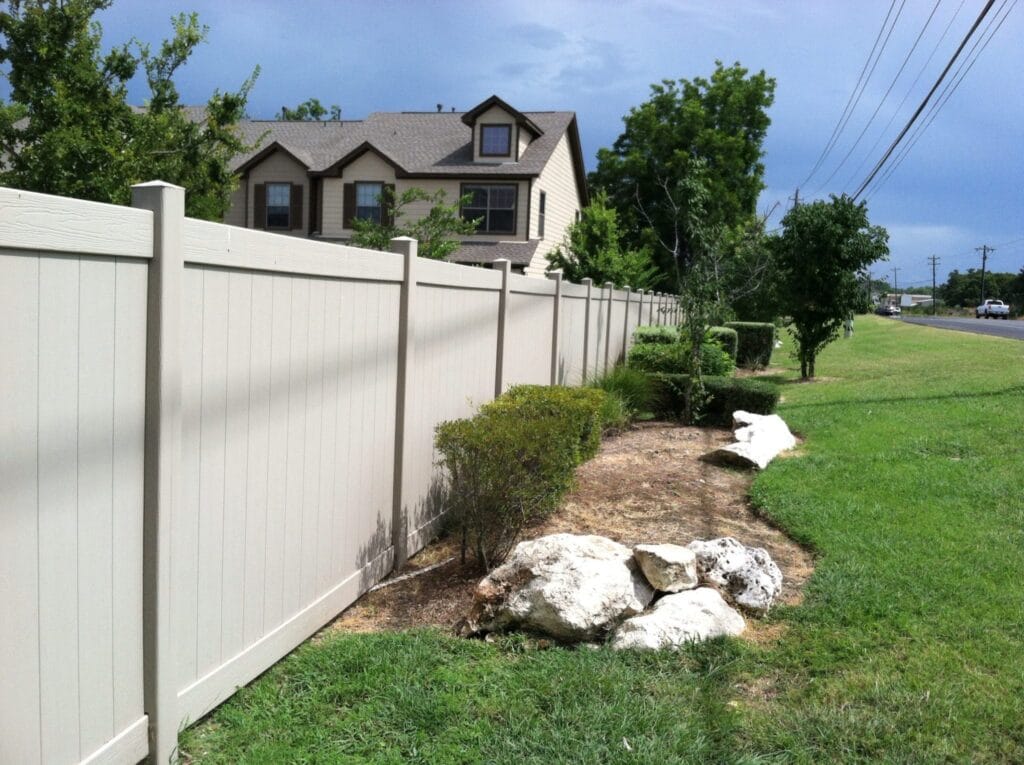
Vinyl fences don’t usually need paint, but if you’re set on changing the color, go with acrylic paint made specifically for vinyl or plastic surfaces. These paints are designed to bond with slick materials and resist peeling or chipping.
To protect the color from fading in the sun, apply a UV-resistant clear coat on top. That extra step can keep your fence looking sharp longer—no fading, no flaking.
Composite Fences
Composite fences (a blend of wood fibers and plastic) call for something that can handle both materials. Acrylic latex paint is a great choice here—it grips well, looks clean, and can stand up to the elements.
Just make sure the fence is cleaned thoroughly first—any dirt or grime will mess with how the paint sticks. For best results, use a primer made for composite surfaces before painting. Want even more protection? A clear sealant on top helps shield the finish from moisture and UV rays.
Factors to Consider When Choosing Fence Paint
Picking the right paint for your fence isn’t just about grabbing the first can you see on the shelf. A few key things—like climate, fence condition, and even your personal style—can help you make the best call for a finish that lasts.
Climate and Weather Conditions
Where you live plays a big role in how your paint holds up. Got a lot of rain? Go with a paint that offers solid water resistance—oil-based paints work great for wood and help seal out moisture.
If you’re dealing with strong sun (hello, Texas summers), look for UV-resistant paint to help your color stay sharp and not fade out after one season. In colder areas, make sure your paint is rated to handle freezing temps without cracking or peeling.
Bottom line: your local weather should guide your paint choice. It’s all about picking something that can handle your climate without breaking down too fast.
Fence Material and Condition
The material you’re painting makes a big difference. Latex exterior paints are perfect for wood—they’re easy to apply and clean up, and they let the wood breathe.
Before painting, give your fence a once-over. If it’s cracked, peeling, or rough, you’ll want to sand it down and make repairs. A smooth, clean surface helps paint go on evenly and stay put longer.
Also think about how much upkeep you’re willing to do. Some paints are lower maintenance than others, so choose something that fits your routine (or lack of one).
Color and Aesthetic Preferences
Color’s more than just personal preference—it changes how your whole yard looks. Neutrals like white, gray, and brown blend easily with most landscapes and homes.
Want to stand out? Bold colors can definitely make a statement, but make sure they work with the rest of your outdoor space. And keep in mind that some colors fade faster than others, especially in direct sun.
Whatever you choose, look for fade-resistant paint so your fence stays looking fresh longer.
Budget
Let’s be real—paint costs add up. But cheaper isn’t always better. Higher-quality paints might cost more upfront, but they usually last longer, need fewer touch-ups, and save you money in the long run.
If you’re working with a tighter budget, aim for a paint that still offers solid coverage and durability so you’re not repainting every year. Spending a little more now can mean less maintenance down the road.
Environmental Impact
More homeowners are looking for low-VOC or eco-friendly paint options—and for good reason. These paints release fewer chemicals into the air and are better for your family, pets, and the planet.
Water-based paints are a good choice if you’re trying to keep things more sustainable, especially in neighborhoods where environmental guidelines are a concern.
It’s worth checking the label for green certifications if keeping things eco-conscious is part of your plan.
Paint Brand Reputation
Last but not least—brand matters. Sticking with trusted, well-reviewed brands usually means better quality, more consistent results, and longer-lasting finishes.
Check out reviews, ask around, and see what others in your area have used. Reputable brands often back their products with solid warranties, which can be a nice bonus if you’re investing time and money into a paint job.
Preparation and Application Tips
Want your fence paint job to look clean and last for years? Prep is everything. From cleaning and priming to the actual painting process and weather timing, here’s what to keep in mind before you pick up that brush.
Surface Preparation
Before you do anything, give your fence a good once-over. Start by removing any old, peeling paint or dirt. A wire brush works for small jobs, or you can bring out the pressure washer for bigger areas (just be careful not to damage the wood).
If you spot mold or mildew, mix up some bleach and water to get rid of it. For deep grime, a cleaner like TSP (Tri-Sodium Phosphate) can help strip it down to a paint-ready surface.
Once clean, sand any rough spots so your new paint has a smooth surface to stick to. And don’t skip the primer—especially on wood fences. It helps seal the surface and gives your topcoat better grip. We often recommend something like Sherwin-Williams’ Exterior Latex Wood Primer to get the job done right.
Proper Application Techniques
When it’s time to paint, your tools matter. Here’s the breakdown:
- Brushes are great for detailed work and getting into tight corners—ideal for wood.
- Rollers cover large, flat areas quickly.
- Sprayers give you a clean, even coat and save time if you’re doing a big fence.
Start from the top and work your way down—this prevents drips and streaks. And rather than globbing it all on at once, apply thin, even coats, letting each one dry fully before going back over it. That’ll help you avoid peeling and bubbling down the line.
Pro tip: Oil-based paint offers solid moisture protection for wooden fences, especially in wetter areas.
Safety Precautions
It’s easy to overlook, but safety is key. When you’re sanding, painting, or using any kind of cleaner, throw on some gloves, safety goggles, and a mask to protect yourself from fumes, chemicals, and dust.
If you’re using a sprayer or pressure washer, keep a safe distance and follow the instructions. And if you’re working on a ladder, double-check that it’s stable. A clean, organized workspace helps prevent accidents—so put tools away when not in use and keep walkways clear.
Best Weather Conditions for Application
The weather can make or break your paint job. Ideal painting conditions are:
- Temps between 50°F and 85°F
- Low humidity
- Dry, overcast or partly cloudy days
- Little to no wind
Avoid painting in direct sun—it can dry the paint too fast and leave streaks. And always check the forecast before you start. If rain is in the cards within 24 hours, hold off. Wet paint and moisture don’t mix.
Maintenance and Longevity
Painting your fence is only half the battle—keeping it looking great takes a little maintenance. A few simple habits can go a long way in protecting your fence from wear and tear, weather, and time.
Regular Cleaning
A clean fence not only looks better, but it also lasts longer. Dirt, mold, and mildew can break down paint over time, so give it a rinse now and then—especially after a rainy season.
Start with a garden hose or pressure washer to knock off surface grime. For stubborn spots, mix a little mild detergent with water and scrub with a soft brush. Rinse thoroughly to avoid soap residue that can lead to discoloration.
If you notice mold or mildew, a water and vinegar mix can take care of it naturally—no harsh chemicals needed. Just make sure your fence is fully dry before doing any touch-ups.
Most fences only need a good cleaning once or twice a year, unless you live somewhere extra rainy or humid.
Touch-Ups and Repainting Schedule
Small chips or cracks in the paint? Touch them up sooner rather than later. That little crack can let water in and cause bigger problems if left unchecked.
Keep a small can of leftover paint handy for quick fixes. It takes just a few minutes to cover up a scuff or nick—and it keeps the whole fence looking fresh.
As for full repaints, it depends on your climate and the type of paint you used. In general, plan to repaint every 3–5 years. Acrylic paints tend to last longer and need fewer re-dos. Stay on schedule, and you’ll save money (and effort) in the long run.
Inspecting for Damage
Give your fence a good look at least once a year—more often if you’ve had storms or high winds. Focus on:
- Rotting wood
- Rusty nails or screws
- Loose or broken boards
- Pest damage (especially near the base)
The bottom of the fence is usually the first to show wear, so don’t skip that area. Catching issues early helps you avoid bigger repairs later—and keeps your fence standing strong.
Speak With A Fence Professional
Whether you’re refreshing an old fence or painting after a new fence installation, choosing the right paint will keep your fence looking great for years. Be sure to speak to a paint professional for guidance and recommendations. For all of your fencing needs, choose Sierra Fence. Give us a call today for a consultation!