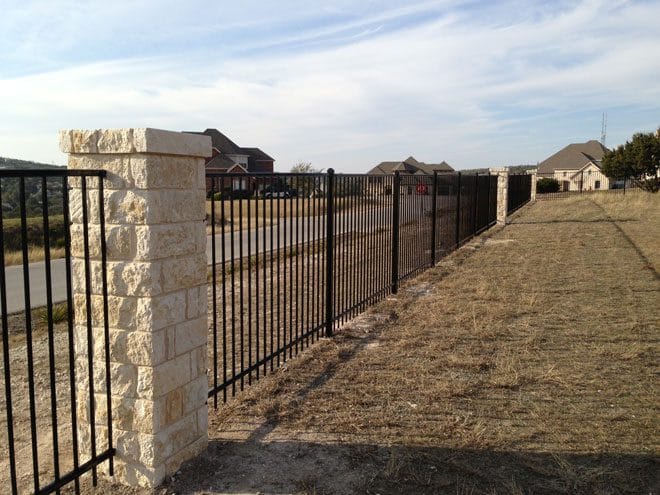
Metal fences typically last 20-30 years, with some high-quality options lasting up to 50 years. With over 29 years of fence installation experience we know how important it is to choose the right metal fence for your needs. If you’re considering adding a metal fence to your property, you have one more decision you will need to make – what fence design will best complement your home and personal taste. While we’re able to customize metal fences to almost any specifications, below we’ll go over the most common types of metal fences and give you practical tips to help you choose a style that fits your property and your personal style.
Common Types of Metal Fences
Metal fences come in many types, each with its own features and benefits. We will go over 5 common types: Chain Link, Aluminum, Steel, Wrought Iron, and Vinyl-Coated Metals. Understanding each will help us choose the right one for our needs.
Chain Link
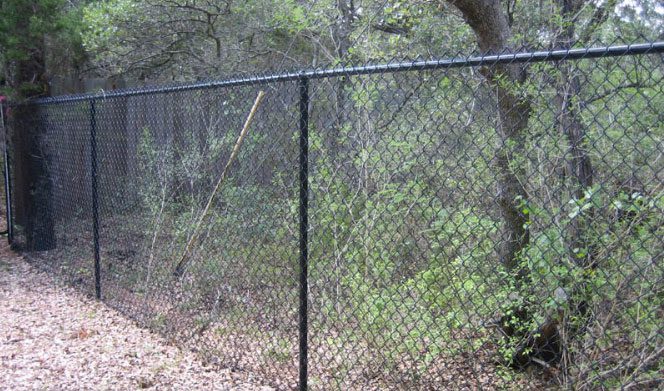
Chain link fencing is made from galvanized steel wire woven together and comes in different heights, so it’s suitable for residential and commercial properties.
Pros:
- Inexpensive for large areas.
- Low maintenance and durable.
- Good for security and boundary marking.
Cons:
- Not visually appealing and looks industrial.
- Offers no privacy unless slats or coverings are added.
Maintenance Tip: Rinse with water occasionally to remove dirt, and check for loose links or damage. Add a vinyl coating for extra rust protection.
Aluminum
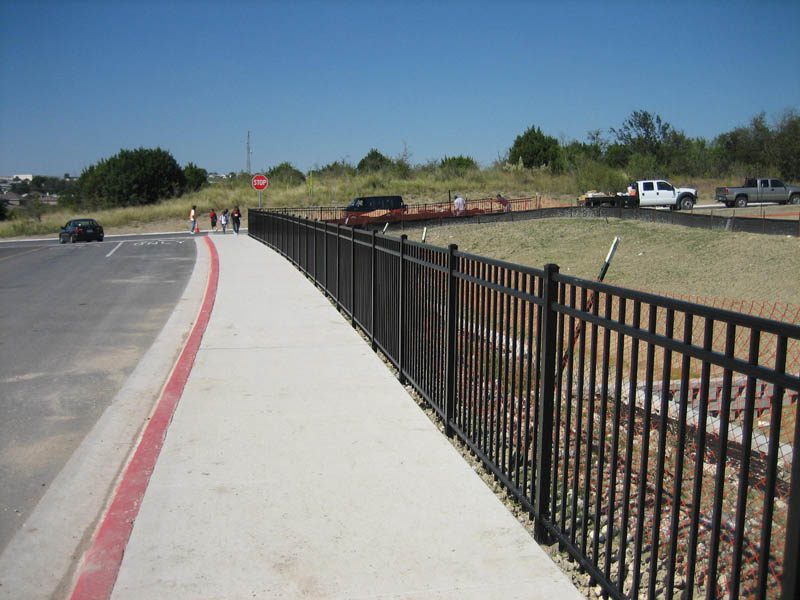
Aluminum fencing is light and strong, great for yards and gardens. Rust and corrosion-resistant, so it can withstand any weather.
Pros:
- Rust resistant, great for areas with high humidity or rain.
- Comes in various styles and finishes, including ornamental.
- Low maintenance.
Cons:
- It is not as strong as steel or wrought iron, so it is not suitable for high-security needs.
- Can dent or bend under heavy impact.
Maintenance Tip: Wash with soapy water occasionally to remove dirt or grime. Touch-up scratches to maintain the finish.
Steel
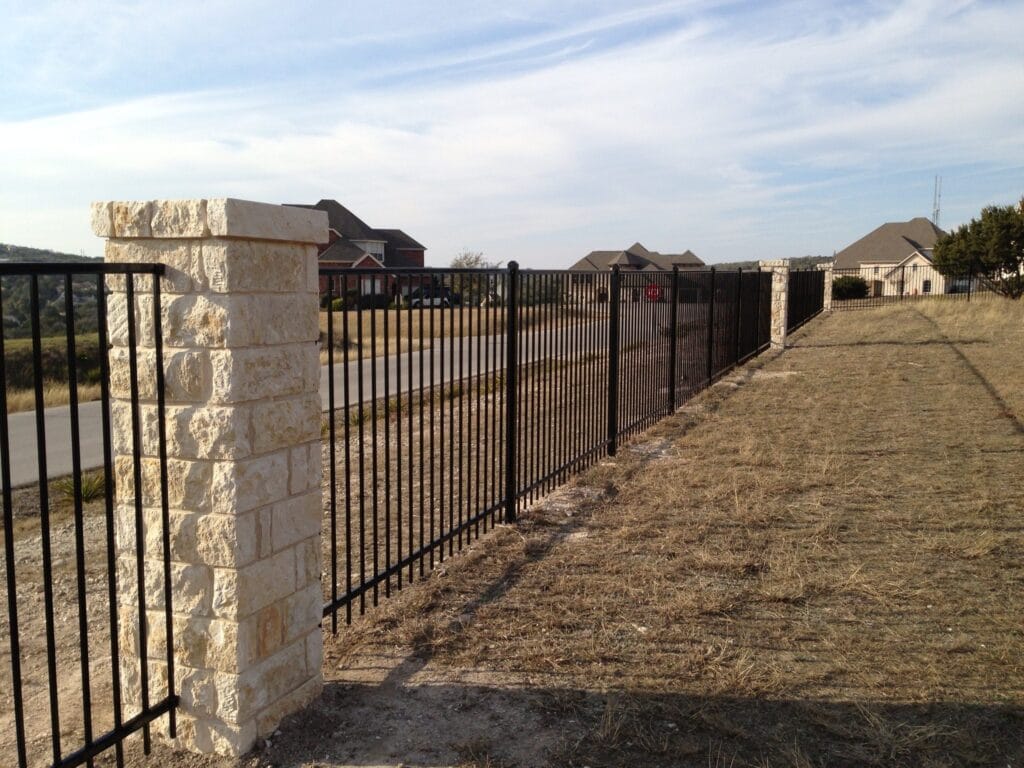
Steel fencing is one of the strongest fencing options out there. Its strength is that it provides high security, which is great for commercial properties or high-security areas.
Pros:
- Very strong and impact resistant, great for high-security applications.
- Can be customized in many designs, modern to classic.
- Lasts long with proper care.
Cons:
- Heavier and more expensive than aluminum or chain link fences.
- Rusts if not galvanized or coated properly.
Maintenance Tip: Paint or seal every few years and check for scratches or rust spots.
Wrought Iron

Wrought iron fences are known for their classic look and durability. Made by heating and shaping iron, it allows for intricate and decorative designs.
Pros:
- Decorative and customizable for unique looks.
- Very durable and strong, adds style and security.
- Boosts curb appeal and property value.
Cons:
- High upfront cost due to labor-intensive manufacturing and installation.
- Requires regular maintenance to prevent rust.
Maintenance Tip: Sand off rust spots immediately, paint with rust-resistant paint annually, and check regularly for signs of corrosion.
Vinyl-Coated Metals
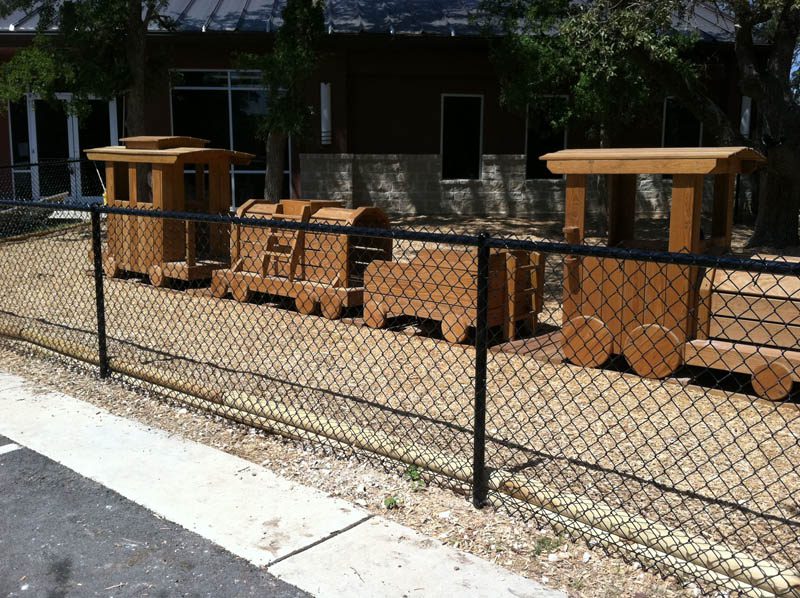
Vinyl-coated metal fencing combines the strength of metal with a vinyl coating. This type is rust and corrosion-resistant, so it is great for wet areas.
Pros:
- Rust resistant due to the vinyl coating.
- Comes in various colors and styles.
- Low maintenance and long-lasting.
Cons:
- Coating can crack or peel over time in extreme weather.
- Slightly more expensive than chain link.
Maintenance Tip: Wash occasionally with mild soap and water to clean the vinyl coating.
Simple Tips for Maintaining Your Metal Fence
Taking care of your metal fence keeps it looking good and lasting longer.
- Regular Cleaning: Most metal fences can be cleaned with soap and water. For tougher stains, try a mild detergent or special metal cleaner. Avoid harsh chemicals or rough materials that can damage the fence’s coating. Regular cleaning prevents dirt buildup and keeps your fence looking its best.
- Rust Prevention: Metal fences require repainting or touch-ups every 3-5 years on average. Check your iron fences often for rust or damage. We recommend sanding your fence down and painting the affected area. For large rust problems, it might be best to call a professional. Keeping an eye on rust and fixing it quickly helps your fence last longer.
How to Choose a Metal Fence
When choosing a metal fence, we need to consider several things. Each one is important to make sure we choose the right one for our needs and preferences.
Your Budget
Start by setting a budget as metal fences vary in price:
- Chain-Link: Cheapest, basic security and function. $5 to $20 per linear foot, depending on height and features.
- Aluminum: Mid-range; light and rust resistant. $20 to $40 per linear foot (average), depending on style and height.
- Wrought Iron: Most expensive, valued for durability and looks. Most expensive at $20 to $50 per linear foot for standard panels; custom designs are $100+ per linear foot.
What Do You Need
Determine what you need most from your fence:
- Security: Taller fences or fences with spikes for added security.
- Privacy: Solid options like wrought iron with infill panels provide better privacy than chain links.
- Aesthetics: Ornamental styles can boost curb appeal and match your property’s look.
Match Your Property’s Style
Choose a fence that matches your property’s architecture and landscaping:
- Traditional Homes: Wrought iron or wood fences go well with classic and timeless designs.
- Modern Architecture: Sleek and minimalist metal designs go well with modern homes.
- Rural Properties: Rustic metal fences go well with nature.
Customization
Customize your metal fence to your needs and preferences:
- Height Adjustments: Choose the right height for privacy or security.
- Finishing Options: Choose from various colors and finishes to match or contrast with your home.
- Design Elements: Add gateways or unique patterns for a custom look.
Local Codes
Before you finalize your fence, check local codes:
- Height Restrictions: Many areas have height limits.
- Property Lines: Fences should be built on the property line unless agreed with adjacent property owners.
- Permits: Some cities require permits for fence installation. For example, Austin, TX, requires permits for fences over 8 feet tall.
Kickstart Your Metal Fencing Upgrade Now
No matter what type of metal fence you’re interested in, Sierra Fence is the right team to design and install it. Give us a call today for a complimentary consultation to discuss your iron or aluminum fence needs!